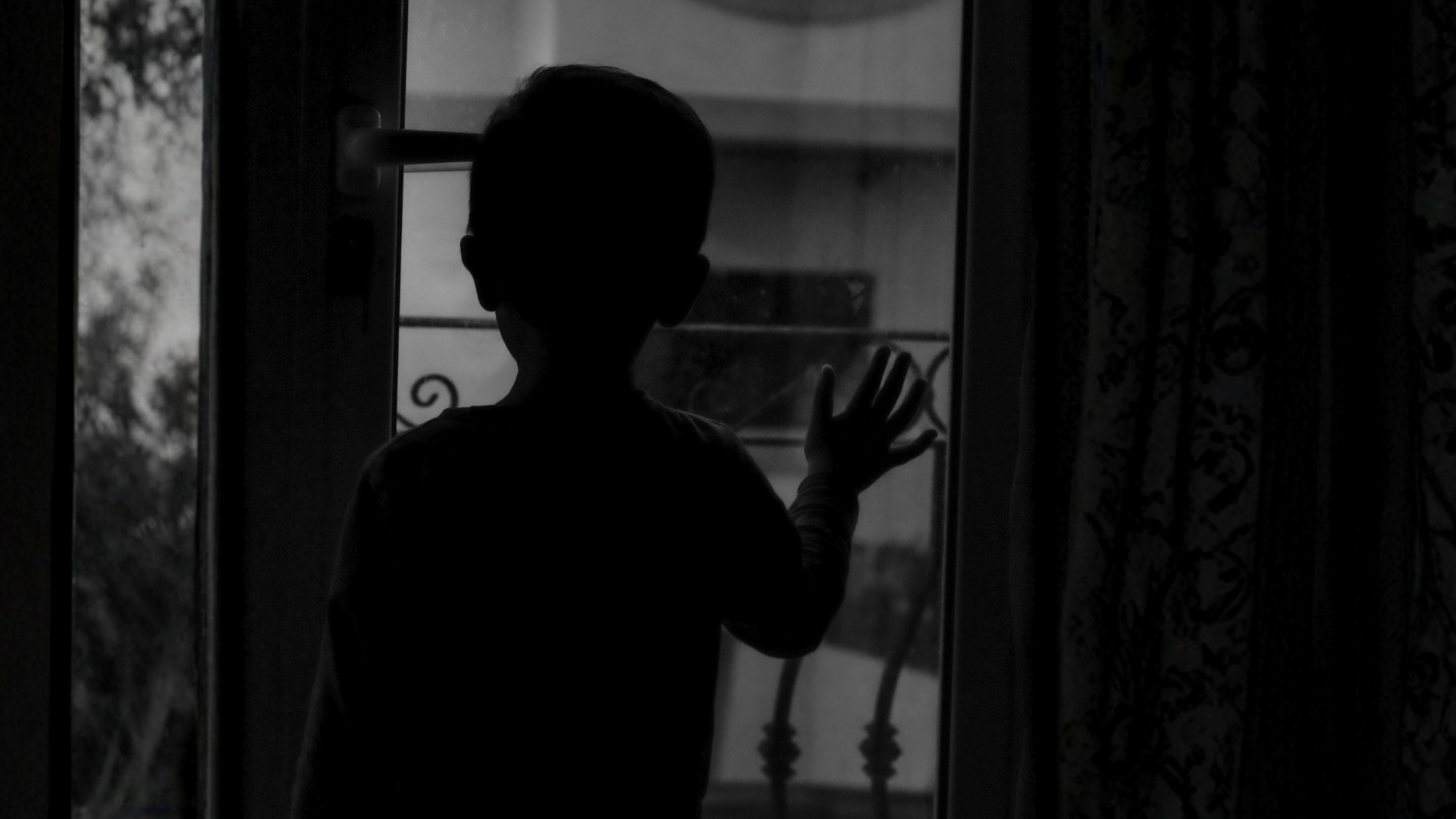
Child abuse doesn’t usually happen in obvious, dramatic ways. It happens quietly. Behind closed doors. In moments that are easy to second-guess.
And that’s one of the biggest reasons it goes unreported.
Every year, thousands of children are identified as victims of abuse in the U.S. But likely, that number is much higher. Many children never tell. And many adults who suspect something isn’t right never make the call.
So why does this happen?
Fear is Powerful
One of the most powerful reasons abuse goes unreported is fear. Children may be afraid to say something because their abuser threatens them, isolates them, or is in a position of power in their home. Friends, family members, teachers, and neighbors may worry about retaliation, backlash, or making things worse for a child if they intervene.
This fear is compounded when abuse happens within a family or close community. People often tell themselves it’s “not their business,” or that the child will be better off if the family stays together. These rationalizations have devastating consequences.
Lack of Awareness and Understanding
Many people don’t recognize the signs of child abuse, or they mistakenly believe they need proof before reporting. In reality, you do not have to prove abuse — only reasonably suspect it. Law enforcement and child protective services (CPS) are trained to investigate concerns once they’re reported. Misunderstanding this point can silence potential reporters.
In fact, research shows that professionals, including healthcare workers. often underreport because they don’t feel confident about identifying signs or they aren’t fully aware of reporting laws and procedures.
Confusion About What Counts
Many people imagine abuse as something extreme and obvious. But abuse can look like:
- Chronic neglect
- Emotional manipulation
- Grooming
- Inappropriate boundaries
- Patterns that just don’t sit right
When people aren’t sure something “counts,” they usually default to silence.
Distrust in the System
Some people hesitate because they worry about what will happen next. Negative experiences with CPS, skepticism about law enforcement’s response, or a belief that reporting won’t help can discourage reporting altogether. Studies have shown that many adults think that filing a report won’t change a child’s situation for the better.
How Do We Change This?
We change it by making reporting feel less intimidating and more human.
- We talk openly about what abuse can look like.
- We remind people that they don’t need proof.
- We build trust in the professionals who respond.
- We normalize calling for guidance, not just crisis.
Because if a child is being abused, silence protects the harm, not the child.
If you’re unsure about a situation involving a child, you can reach out confidentially to a professional counselor who will listen, guide, and help you determine next steps. Call, text, or chat the Childhelp National Child Abuse Hotline 24/7 at 1-800-4-A-CHILD.
One conversation can make all the difference.